

Introduction
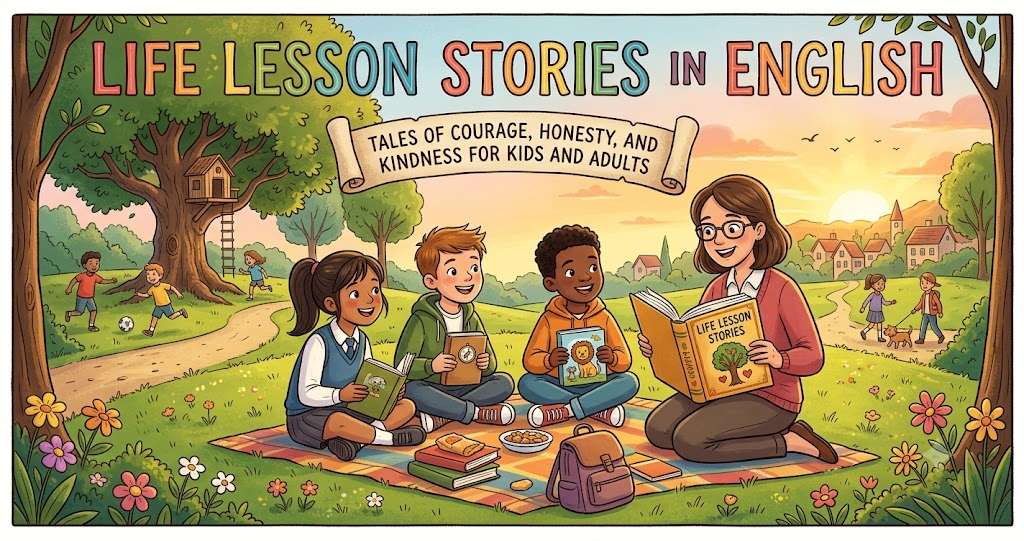
Life Lesson Stories in English are more than simple tales. They combine engaging storytelling with valuable messages that help readers understand honesty, kindness, courage, patience, and responsibility. These stories are suitable for children, students, and adults who want to improve their English while learning practical values. Reading meaningful stories also enhances vocabulary, comprehension, and critical thinking. Whether used at home, in classrooms, or for personal growth, these stories make learning enjoyable and memorable. This guide explains their importance, how to use them effectively, and the best practices for readers of all levels.
What is Life Lesson Stories in English?
Life Lesson Stories in English are short or medium-length stories written in clear English that teach valuable moral or practical lessons. They often feature relatable characters who face everyday challenges and learn from their experiences.
Examples include stories about honesty, friendship, determination, generosity, respect, and perseverance. These narratives encourage readers to reflect on their own choices while improving language skills through enjoyable reading.
Why is Life Lesson Stories in English Important?
Stories with meaningful lessons help readers understand values in a natural and memorable way. Instead of presenting direct advice, they demonstrate how actions lead to positive or negative outcomes.
Reading these stories regularly also strengthens English vocabulary, reading comprehension, imagination, and communication skills. They encourage thoughtful discussions and support both academic and personal development.
Step-by-Step Guide
1. Choose the Right Story
Select stories that match the reader’s age, language level, and interests. Simple language makes learning more enjoyable for beginners.
2. Read Carefully
Read the story without rushing. Pay attention to characters, settings, and important events that shape the lesson.
3. Identify the Moral
After finishing, think about the main message. Ask questions such as, “What did the character learn?” or “How can this lesson help in real life?”
4. Practice New Vocabulary
Write down unfamiliar words and use them in your own sentences. This improves both understanding and language confidence.
5. Apply the Lesson
Discuss or practice the moral in daily life. For example, after reading a story about kindness, look for opportunities to help others.
Benefits
Reading Life Lesson Stories in English offers many advantages:
- Improves English reading skills.
- Expands vocabulary naturally.
- Teaches positive values and ethics.
- Encourages critical thinking.
- Develops empathy and emotional awareness.
- Increases reading confidence.
- Supports classroom and self-learning.
- Makes language learning enjoyable.
Risks or Disadvantages
Although these stories provide many benefits, there are a few possible drawbacks:
- Choosing stories above the reader’s language level.
- Reading without understanding the moral.
- Focusing only on memorizing vocabulary.
- Selecting repetitive stories with similar themes.
- Ignoring discussion or reflection after reading.
These challenges can be avoided by choosing appropriate material and encouraging active participation.
Common Mistakes to Avoid
Many readers concentrate only on improving English and overlook the valuable life lessons within the story. Both language and character development should receive equal attention.
Another mistake is reading too quickly without reflecting on the characters’ decisions. Take time to think about how the story connects with real-life situations. Also, avoid skipping unfamiliar words, as learning new vocabulary strengthens overall reading ability.
FAQs
1. Who can read Life Lesson Stories in English?
Children, students, beginners, intermediate learners, and adults can all benefit from these stories.
2. Do these stories help improve English?
Yes. They improve vocabulary, reading comprehension, grammar awareness, and communication skills.
3. How often should I read them?
Reading one story each day or several each week helps build consistent learning habits.
4. Are moral stories suitable for classroom learning?
Yes. Teachers often use them to improve reading skills while encouraging discussions about values.
5. Can adults enjoy these stories too?
Absolutely. Many life lesson stories contain timeless messages that are meaningful for readers of every age.
Expert Tips
Keep a reading journal where you write new words, favorite quotes, and the main lesson from each story. Revisit your favorite stories occasionally to reinforce vocabulary and discover deeper meanings.
Read aloud whenever possible to improve pronunciation and fluency. Discuss stories with family members, classmates, or friends to gain different perspectives and strengthen understanding.
Conclusion
Life Lesson Stories in English are a powerful combination of language learning and personal development. They help readers improve vocabulary, comprehension, communication, and critical thinking while teaching timeless values such as honesty, kindness, courage, and responsibility. By choosing suitable stories, reading regularly, and reflecting on the lessons, anyone can enjoy meaningful learning experiences. Whether you are a beginner or an intermediate reader, these inspiring stories provide knowledge, entertainment, and practical wisdom that can positively influence everyday life while building stronger English language skills.
