


Introduction
In today’s fast-moving world, knowing the right providers can make all the difference. Whether you’re looking for reliable service providers, software solutions, or key industry contacts, being informed can save time, money, and frustration. Many beginners often feel overwhelmed by the sheer number of options available. From cloud service providers to web hosting companies and financial solution providers, each plays a critical role in your personal or business success.
This guide will walk you through top providers to know, breaking down what makes them essential and how to choose wisely. By the end of this article, you will understand the importance of knowing your providers, the benefits they offer, and the mistakes you should avoid. You’ll also gain practical tips and insights that even experienced users often overlook.
We’ll cover step-by-step strategies for identifying the best providers, highlight potential risks, and provide actionable advice that you can apply immediately. Whether you’re a beginner trying to navigate your first purchase or an intermediate user seeking to refine your choices, this guide has something for everyone. Understanding the right providers can streamline your operations, enhance productivity, and ensure a smoother experience.
So, let’s dive in and explore the top providers you should know, why they matter, and how to leverage them effectively in your personal or professional life.
What is Top Providers to Know?
When we talk about top providers to know, we refer to businesses, services, or individuals that offer essential products or solutions in a particular industry. These providers are recognized for reliability, quality, and consistent performance.
For example, in the tech industry, top providers might include cloud storage companies, cybersecurity firms, or software developers. In financial services, it could be banks, insurance companies, or investment advisors. Essentially, these are providers you can trust to deliver quality service or products that meet your needs.
Knowing these providers is not just about having a list of names. It’s about understanding their strengths, reputation, and relevance to your goals. Whether for personal use or professional purposes, having this knowledge empowers you to make informed decisions, avoid common pitfalls, and leverage opportunities efficiently.
Why is Top Providers to Know Important?
Understanding the importance of top providers can save both time and money. Here’s why it matters:
- Reliability: Trusted providers ensure you receive consistent, high-quality service.
- Efficiency: Knowing which providers are worth your time reduces trial-and-error.
- Cost-Effectiveness: Investing in reliable providers often prevents hidden costs or losses.
- Innovation: Top providers usually stay ahead of trends, giving you access to advanced tools and features.
- Risk Reduction: Familiarity with reputable providers helps minimize exposure to scams, poor-quality services, or operational issues.
For businesses, top providers can improve workflow, streamline operations, and enhance customer satisfaction. For individuals, it ensures smoother transactions, better experiences, and peace of mind. Ultimately, being aware of the best providers is a strategic advantage in any field.
May be you like it:
Common Poker Terms – A Beginner’s Guide to Mastering the Game
Top Providers to Know – A Beginner’s Complete Guide
Mobile Casino Tips: Maximize Your Gaming Success
Detailed Step-by-Step Guide
Step 1: Identify Your Needs
Before you start exploring providers, define what you need. Consider these questions:
- Are you seeking services for personal or business purposes?
- Do you require a one-time service or ongoing support?
- What is your budget and expected ROI?
Clarity at this stage sets the foundation for informed choices. For example, if you are searching for cloud storage providers, knowing whether you need large storage space, advanced security, or collaboration features will narrow your options significantly.
Step 2: Research Providers
Start by compiling a list of potential providers. Use:
- Industry reports and reviews
- Word-of-mouth recommendations
- Online ratings and feedback
- Comparison tools
Focus on providers that consistently appear across multiple sources. This indicates reliability and a solid reputation.
Step 3: Evaluate Quality and Reputation
Once you have a shortlist, assess each provider’s quality:
- Experience: How long have they been in the industry?
- Client Base: Who else uses their services?
- Certifications: Do they have relevant industry certifications?
- Case Studies: Are there examples of their work or success stories?
A provider with proven experience is more likely to deliver consistent results.
Step 4: Compare Pricing and Value
Pricing alone shouldn’t dictate your choice. Instead, assess value for money:
- Are features or services aligned with your goals?
- Does the provider offer flexibility in plans or packages?
- Are there hidden fees or additional charges?
A slightly higher cost is often justified by better service, security, and support.
Step 5: Test Their Services
Whenever possible, try out the provider before committing fully:
- Request a demo or trial period
- Evaluate customer support responsiveness
- Check service delivery timelines
Testing first-hand ensures you know what to expect and avoids unpleasant surprises.
Step 6: Check Customer Support
Reliable support is a hallmark of top providers. Ensure they offer:
- Multiple support channels (phone, email, chat)
- Quick response times
- Knowledgeable representatives
Good support can make the difference between a smooth experience and a frustrating one.
Step 7: Read Reviews and Testimonials
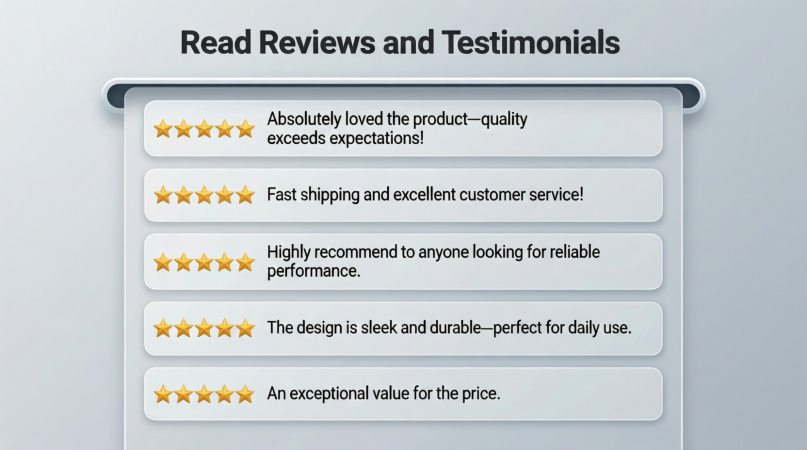
Reviews provide insights into real experiences:
- Look for detailed reviews, not just star ratings
- Check for recurring complaints or praise
- Consider both positive and negative feedback
This helps validate your choice and confirms the provider’s reliability.
Step 8: Make an Informed Decision
After researching, testing, and comparing, make your choice. Keep in mind:
- Alignment with your goals
- Budget and value for money
- Reputation and reliability
Once chosen, establish a relationship with the provider. Building rapport can result in better service, tailored solutions, and future advantages.
Benefits of Top Providers to Know
- Reliability and Consistency: High-quality service and fewer disruptions.
- Time Savings: Avoid trial-and-error and focus on productive activities.
- Cost Efficiency: Reduce hidden costs and improve ROI.
- Access to Innovation: Stay updated with new tools, software, or trends.
- Improved Support: Faster resolutions and professional assistance.
- Enhanced Reputation: Working with recognized providers reflects positively on you or your business.
Disadvantages / Risks
- Higher Costs: Top providers may charge a premium.
- Limited Customization: Some may offer standard packages with less flexibility.
- Dependence: Over-reliance on a single provider can be risky if issues arise.
- Hidden Terms: Certain providers may have strict contracts or fine print.
- Overwhelm for Beginners: Too many options can make decision-making challenging.
Common Mistakes to Avoid
- Choosing Based on Price Alone: Cheapest is not always best.
- Ignoring Reviews: Neglecting feedback can lead to poor experiences.
- Not Testing Services: Committing without a trial may backfire.
- Overlooking Support Quality: Poor customer service can derail plans.
- Failing to Define Needs: Without clear goals, you might pick the wrong provider.
- Ignoring Hidden Costs: Always check the fine print to avoid surprises.
May be you like it:
Bonus Terms Explained – A Complete Beginner’s Guide
Safe Gambling Checklist: Tips for Responsible Play
Bankroll Management – The Ultimate Guide for Beginners and Intermediates
FAQs
1. What industries should I focus on for top providers?
It depends on your needs. Tech, finance, healthcare, and logistics are some sectors with essential providers worth knowing.
2. Can top providers be new companies?
Yes, new companies with strong reviews, innovative solutions, and reliable service can also be top providers. Reputation is key.
3. How do I know if a provider is trustworthy?
Look for experience, certifications, client testimonials, and consistent positive reviews across multiple platforms.
4. Are expensive providers always better?
Not necessarily. Evaluate based on value, not just cost. Some mid-range providers offer excellent service at lower prices.
5. How often should I review my providers?
Regularly—at least once a year. This ensures your providers still meet your goals, and you can explore better alternatives if needed.
6. Can I switch providers easily?
Depends on contracts and service terms. Always check cancellation policies before committing. Some providers allow flexible transitions.
7. Should I rely on one provider or multiple?
Diversifying providers reduces risk. However, too many providers can complicate management. Balance is key.
8. How do I stay updated on top providers?
Follow industry news, read reviews, join professional forums, and attend webinars or trade shows relevant to your sector.
Expert Tips & Bonus Points
- Maintain a Shortlist: Keep 3–5 top providers as backup options.
- Negotiate Packages: Even top providers may offer custom deals.
- Leverage Free Tools: Use comparison websites and trials to make informed choices.
- Build Relationships: Good rapport can lead to priority service and discounts.
- Monitor Performance: Track how providers meet your expectations over time.
- Stay Informed: Regularly review industry changes to identify new top providers.
Conclusion
Knowing the top providers to know is more than just a convenience; it’s a strategic advantage. From saving time and money to improving service quality and reducing risks, choosing the right providers can profoundly impact your personal and professional life. Beginners and intermediate users alike benefit from understanding which providers offer reliability, innovation, and exceptional support.
By following a step-by-step approach—defining needs, researching, testing, and evaluating providers—you can make informed decisions that align with your goals. While there are risks and potential pitfalls, being aware of common mistakes and applying expert tips ensures smoother experiences and long-term benefits.
In an ever-changing world, staying updated on top providers allows you to adapt quickly, maintain high standards, and achieve success with confidence. Start today by identifying your needs, exploring reputable options, and building relationships with providers you can trust. The effort you invest now will pay off in efficiency, security, and peace of mind for years to come.
May be you like it:
Winning Micro Stakes – A Beginner’s Guide to Profitable Small-Bet Poker
3-Bet & 4-Bet Explained – A Beginner-Friendly Guide to Advanced Poker Moves
Reading Opponents – Mastering the Art of Understanding Your Competition
