


Introduction
If you want to succeed in gambling, trading, or investing, one rule stands above all: managing your money wisely. This is where bankroll management comes into play. Many beginners think success depends only on skill or luck, but without proper bankroll management, even the most talented players can face ruin.
Bankroll management is more than just tracking your money. It’s about setting limits, making smart decisions, and protecting yourself from losing everything in one bad session. Whether you play poker, bet on sports, trade stocks, or even gamble online, this skill is crucial for long-term success.
In this guide, we will break down bankroll management into simple steps. You’ll learn how to calculate your bankroll, determine risk per bet, avoid common mistakes, and maximize your growth potential. We’ll also cover the benefits, risks, and expert strategies that can give you an edge. By the end, you’ll have a solid understanding of bankroll management and how to implement it in your financial activities confidently.
Whether you’re a beginner who is just starting or an intermediate player looking to refine your approach, this guide will help you take control of your funds and make smarter, more informed decisions. Let’s dive in and start building a strategy that keeps your money safe and growing.
What is Bankroll Management?
Bankroll management is the practice of controlling and organizing the funds you allocate for gambling, trading, or investing. It involves understanding how much money you have, setting limits on how much to risk, and making decisions that protect your bankroll while maximizing potential gains.
In simple terms, bankroll management is like having a safety net. Instead of risking all your money on a single bet or trade, you divide your bankroll into smaller portions. This way, even if things go wrong, you won’t face catastrophic losses.
For example, if you have $1,000 in your poker bankroll and decide to risk only 2% per game, your maximum loss in one session would be $20. This approach allows you to play longer, learn more, and increase your chances of long-term success.
Bankroll management isn’t just about limiting losses. It’s also about making strategic decisions, maintaining discipline, and staying consistent over time. Many professionals attribute their success not to luck but to strict adherence to bankroll management principles.
Why is Bankroll Management Important?
Understanding why bankroll management is essential can prevent frustration, losses, and burnout. Here are the key reasons:
- Protects Your Money
Without proper bankroll management, you risk losing your entire fund in a single session. Limiting risk per bet helps prevent devastating losses. - Reduces Stress
Knowing that your bankroll is well-managed reduces anxiety and pressure during betting or trading. You can make decisions calmly, not emotionally. - Supports Long-Term Success
Winning consistently is more about smart money management than short-term luck. Bankroll management ensures sustainability. - Encourages Discipline
Sticking to limits teaches patience and self-control, essential traits for any serious player or trader. - Optimizes Growth
Proper management allows you to grow your bankroll steadily without risking unnecessary large amounts. - Avoids Risk of Ruin
Even highly skilled players can go broke without bankroll management. By calculating risk and staying disciplined, you minimize the chance of complete loss. - May be you like it:
- Common Poker Terms – A Beginner’s Guide to Mastering the Game
- Top Providers to Know – A Beginner’s Complete Guide
- Mobile Casino Tips: Maximize Your Gaming Success
Detailed Step-by-Step Guide to Bankroll Management
Here’s a practical guide to implementing bankroll management effectively.
Step 1: Calculate Your Total Bankroll
The first step is determining how much money you can afford to dedicate. This should be money you can afford to lose without affecting your daily life.
- Example: If you have $5,000 in savings, you might decide to allocate $500 for gambling or trading.
- Rule: Never use money needed for living expenses.
Step 2: Determine Your Risk Per Bet
Decide the percentage of your bankroll you’re willing to risk in a single session or trade.
- Beginners: 1–2% per bet/session
- Intermediate players: 2–5% per bet/session
Example: With a $500 bankroll:
- 2% risk per bet = $10 per bet
- 5% risk per bet = $25 per bet
This method ensures that even a losing streak won’t wipe out your funds.
Step 3: Set Stop-Loss and Stop-Win Limits
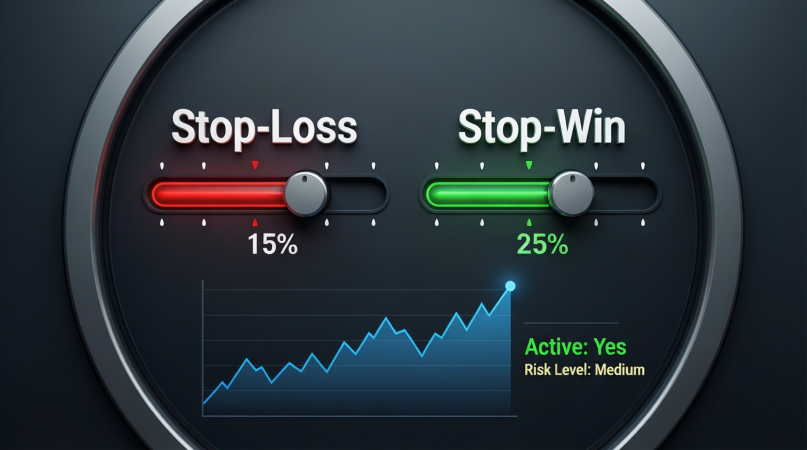
Stop-loss is the maximum amount you’re willing to lose in a session, while stop-win is the target you aim to reach before stopping.
- Example: Risk $10 per bet, stop-loss $50, stop-win $50.
- This prevents emotional decisions and helps maintain consistency.
Step 4: Track Your Wins and Losses
Keeping a record of every session is crucial. This includes:
- Date of the session
- Amount risked
- Wins and losses
- Observations for improvement
Tracking progress helps you identify patterns and refine strategies.
Step 5: Adjust Bankroll as It Grows or Shrinks
Bankroll management is dynamic. If your bankroll increases, you can slightly raise your per-bet risk. Conversely, if it decreases, lower your risk accordingly.
- Example: Bankroll grows from $500 to $600, adjust risk from 2% ($10) to 2–2.5% ($12–$15).
Step 6: Avoid Chasing Losses
One of the biggest mistakes is trying to recover losses by increasing bets. Stick to your percentages and remain disciplined.
- Losing streak? Take a break and reassess.
- Bankroll management works best with consistency, not panic bets.
Step 7: Divide Bankroll by Game Type or Activity
If you play multiple games or trade various assets, allocate funds separately. This prevents overspending in one area.
- Example: $500 bankroll: $300 for poker, $200 for sports betting.
Step 8: Plan for Long-Term Growth
Bankroll management isn’t about short-term wins. Focus on steady growth by:
- Reinforcing winning strategies
- Avoiding unnecessary high-risk bets
- Maintaining discipline even in losing streaks
Benefits of Bankroll Management
- Protects against total loss
- Reduces stress and improves decision-making
- Encourages discipline and consistency
- Allows for sustainable long-term growth
- Helps track progress and refine strategies
- Reduces emotional betting or trading
Disadvantages / Risks
- Requires patience; growth is slower
- Over-cautious management can limit high returns
- Can feel restrictive for impulsive players
- Losing streaks can still occur, though less catastrophic
- Needs careful tracking and discipline
Common Mistakes to Avoid
- Ignoring Bankroll Limits
Playing outside your bankroll can lead to rapid losses. - Chasing Losses
Increasing bets after losing is a fast way to deplete funds. - Not Adjusting Risk Percentages
Failing to adjust as bankroll grows or shrinks reduces efficiency. - Using Essential Funds
Never risk money needed for living or emergencies. - Skipping Records
Not tracking results leads to repeated mistakes and poor strategy. - Overconfidence During Wins
Winning streaks can cause players to overbet; stick to your plan.
May be you like it:
Bonus Terms Explained – A Complete Beginner’s Guide
Safe Gambling Checklist: Tips for Responsible Play
Bankroll Management – The Ultimate Guide for Beginners and Intermediates
FAQs
1. What is the ideal bankroll size?
There’s no one-size-fits-all. It depends on your comfort, risk tolerance, and game type. Beginners should start small and only use money they can afford to lose.
2. How much should I risk per bet?
For beginners, 1–2% of your bankroll is safe. Intermediate players can go up to 5%, depending on experience and game type.
3. Can bankroll management guarantee wins?
No, it doesn’t guarantee wins. However, it protects your funds and improves long-term success by reducing the risk of ruin.
4. How often should I adjust my bankroll?
Adjust after significant gains or losses. Even small changes can affect risk calculations.
5. Is bankroll management only for gambling?
No, it applies to trading, investing, and any activity where you risk money. The principles of risk control and discipline are universal.
6. What tools can help with bankroll management?
Spreadsheets, apps, or even simple pen-and-paper tracking can be effective. The key is consistent and accurate tracking.
7. Should I split my bankroll across multiple games?
Yes, allocating funds across activities prevents overspending in one area and reduces risk exposure.
8. How do I deal with losing streaks?
Remain calm, stick to your limits, and take breaks if needed. Avoid chasing losses, as this often worsens the situation.
Expert Tips & Bonus Points
- Start small: Begin with minimal stakes until comfortable with strategy.
- Set weekly or monthly goals: Focus on achievable targets rather than instant wins.
- Reinvest profits wisely: Avoid gambling all profits; allocate some to maintain stability.
- Stay disciplined: Emotions are the enemy; follow your bankroll plan strictly.
- Study and learn: Use losing sessions as learning opportunities.
- Avoid overcomplicating: Simple, consistent strategies often outperform complex approaches.
Bonus Tip: Treat bankroll management like a business. Every bet, trade, or investment should be a calculated decision, not a gamble. This mindset separates amateurs from professionals.
Conclusion
Bankroll management is the foundation of long-term success in gambling, trading, and investing. Without it, even the most skilled individuals can face financial ruin. By understanding your bankroll, setting risk limits, tracking progress, and staying disciplined, you protect your funds and increase your chances of sustainable growth.
Beginners should start small, risk responsibly, and focus on steady improvement. Intermediate players can refine strategies, adjust percentages, and plan for long-term gains. Regardless of experience, the key is consistency, discipline, and patience.
Remember, bankroll management isn’t about avoiding losses entirely—it’s about controlling risk, making smart decisions, and ensuring you can continue playing or investing for the long haul. By mastering these principles, you set yourself apart from casual players and position yourself for lasting success.
Start today by evaluating your bankroll, setting limits, and following the step-by-step strategies outlined here. With practice and discipline, you’ll see not just growth in your funds, but also in your confidence, decision-making, and overall performance. Bankroll management isn’t just a tool—it’s your roadmap to financial control and long-term success.
May be you like it:
Winning Micro Stakes – A Beginner’s Guide to Profitable Small-Bet Poker
3-Bet & 4-Bet Explained – A Beginner-Friendly Guide to Advanced Poker Moves
Reading Opponents – Mastering the Art of Understanding Your Competition
